Selling in Pecos soon? Use this seller playbook to prioritize roof, HVAC, plumbing, foundation, and pest fixes that reduce inspection/appraisal surprises and help protect your sale price at closing.

In Pecos, appraisal and inspection surprises often come down to a handful of very local, very fixable issues—sun-baked roofing, hard-working HVAC systems, visible exterior equipment, and the kind of wear that shows up fast in a hot, dry West Texas climate. If you're planning to list within the next 90 days, the smartest move is to get ahead of the items that commonly trigger renegotiations, repair requests, or value adjustments.
This seller playbook breaks down nine practical fixes that help your home show better, appraise cleaner, and move through escrow with fewer last-minute headaches. And because Pecos homes often feature stucco or brick exteriors, metal or shingle roofs, xeriscaped yards, and exposed condensers or evaporative coolers, it pays to work with someone who knows what local buyers, inspectors, and appraisers tend to flag.
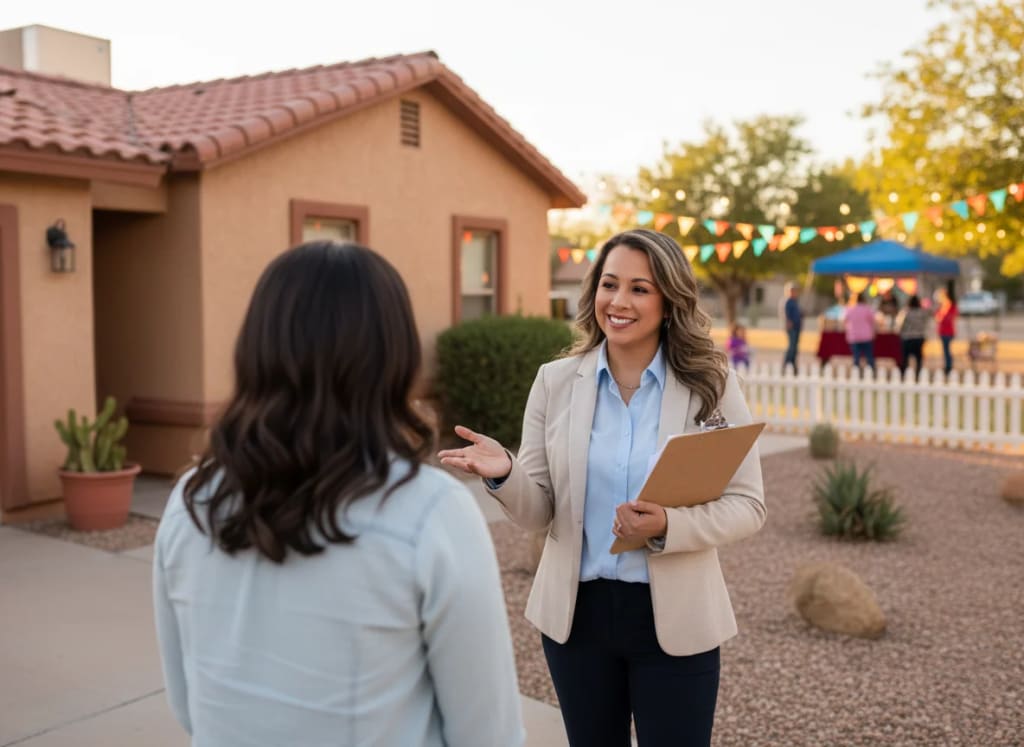
Crisha Molinar with Golden Door Realty LLC is based right here in Pecos and brings a background in residential property management—helpful when you're prioritizing repairs, lining up vendors, and deciding what's worth doing before you hit the market.
In Pecos, the fastest way to avoid a last-minute renegotiation is to anticipate what inspectors and appraisers commonly flag in West Texas homes. A local agent like Crisha Molinar sees patterns that out-of-town pricing models miss—like how visible exterior HVAC condensers, older roof units, and evaporative coolers can raise questions about remaining life and maintenance history. She can help you gather service records, confirm permit history when applicable, and decide which repairs are worth doing before you list.
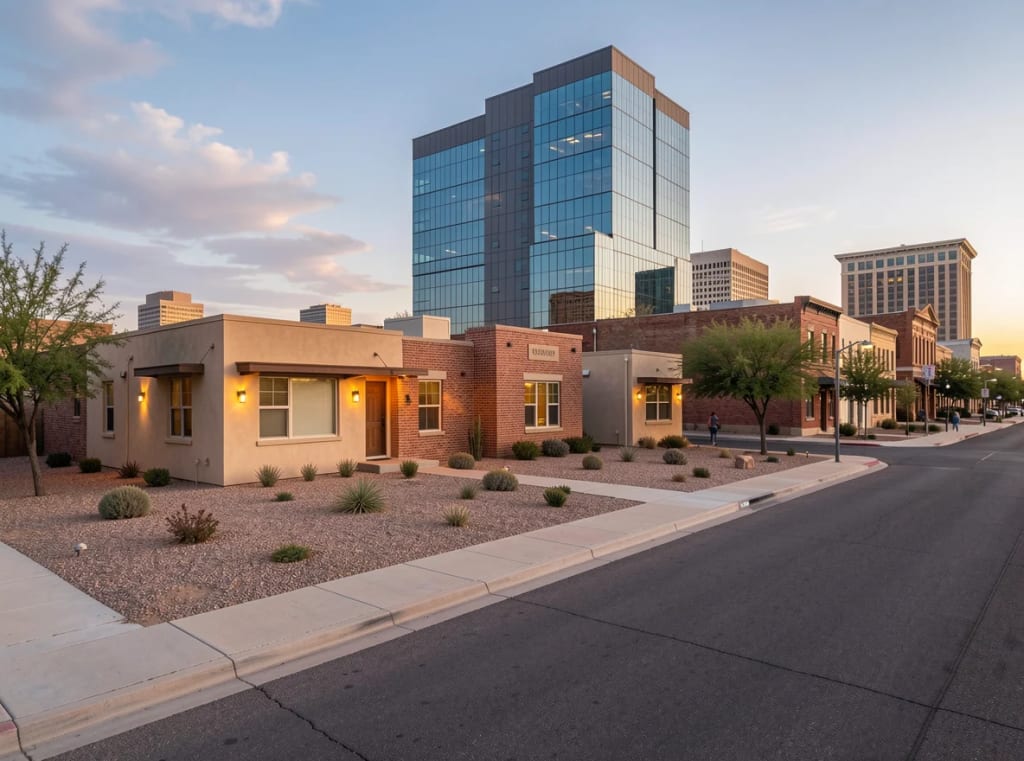
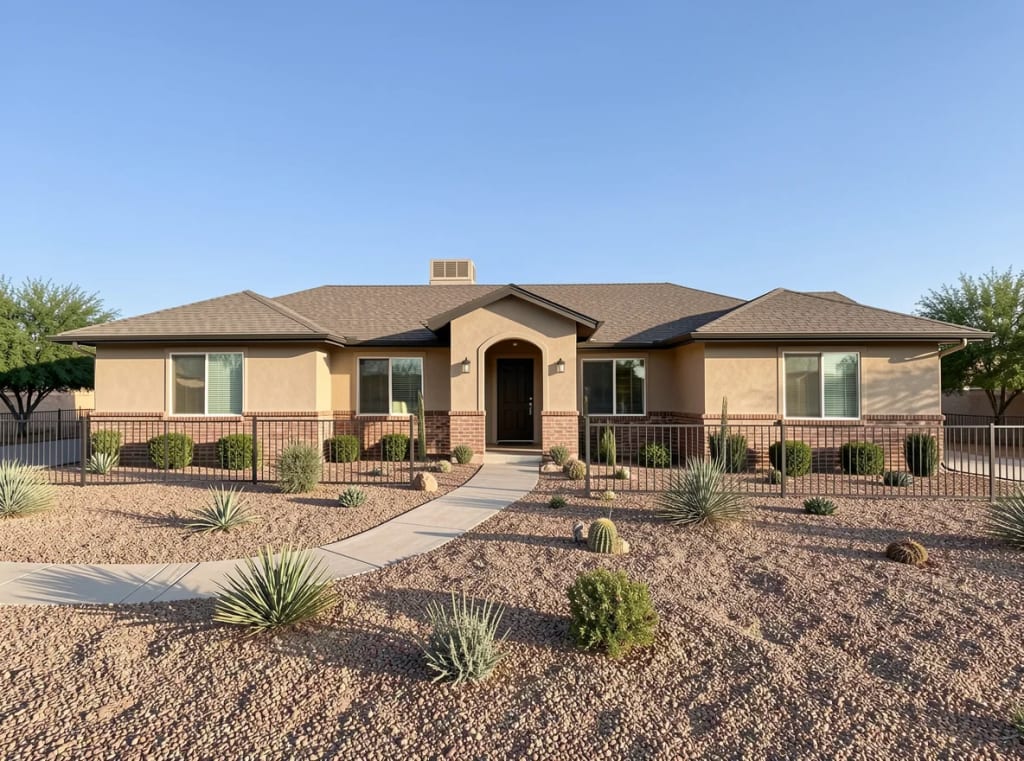
Local context matters for condition and value, too. Many Pecos properties have gravel/xeriscape yards, metal or chain-link fencing, and older stucco or brick exteriors—features that are normal here but can still trigger inspection notes if drainage is poor or grading pushes water toward the foundation after monsoon storms. A Pecos-based perspective also helps you price and prep realistically for common findings like aging water heaters, polybutylene/older plumbing components, or roof wear from intense sun and wind. The result: fewer surprises, cleaner appraisal support, and a smoother path to closing.
In Pecos, the fastest way to avoid inspection and appraisal surprises is to treat your home like it's already under contract—then walk it with a checklist. Start outside: look for lifted shingles, soft fascia, and sun-baked caulk around vents and penetrations. Appraisers and inspectors notice deferred roof maintenance quickly, especially on older ranch-style homes where the roofline is easy to read from the street.
Next, focus on the systems that commonly trigger renegotiations in West Texas heat: HVAC performance, visible duct leaks, and aging evaporative cooler setups. Inside, check for slow drains, under-sink staining, and water heater age—small plumbing issues can look bigger when buyers are already nervous about hidden repairs. Finally, scan for foundation clues like sticking doors, new drywall cracks, or uneven flooring.
Crisha Molinar's residential property management background helps her spot "small now, expensive later" items and prioritize fixes that protect your price and timeline—before a buyer's inspector does.
When you're trying to avoid appraisal and inspection surprises in Pecos, the biggest advantage of working with a local agent isn't a bigger brand—it's faster feedback and sharper pattern recognition. Out-of-town teams often rely on photos and generic checklists, which can miss West Texas "usual suspects" that show up in reports: aging shingle roofs with wind wear, visible HVAC condenser placement and service history gaps, evaporative cooler remnants, older galvanized supply lines, and drainage that pushes water toward the slab after a monsoon burst. A local agent can flag these early, recommend which fixes matter most for your price point, and help you document repairs so an appraiser and buyer's inspector see a well-maintained home.
Accessibility matters, too. If a buyer asks for a re-check, a roofer needs access, or an inspector wants clarification on a permit or invoice, direct communication keeps momentum. With Crisha Molinar, you're not routed through a call center—you can call or text, get a straight answer, and make a quick plan. That speed can be the difference between a clean negotiation and a last-minute credit request that chips away at your net.
If you want to avoid appraisal and inspection surprises in Pecos, treat the next 3090 days like a pre-listing project plan. Start with the items that most often trigger renegotiations in West Texas: roof condition (missing shingles, soft spots, active leaks), HVAC performance (cooling output, age, and service history), and plumbing (slow drains, visible corrosion, and any past leak repairs). If your home has an evaporative cooler or older roof unit, document maintenance and be ready to show it runs properly.
Next, tackle safety and access: replace missing GFCI outlets where needed, secure handrails, and clear the electrical panel area. In Pecoswhere dust and wind are commonclean condenser coils, replace filters, and trim vegetation away from exterior equipment. Finally, gather receipts, permits (if any), and a short list of recent improvements so an appraiser can easily support condition and value.
Want a prioritized punch list for your specific property? Crisha Molinar can walk through your home and help you focus on the fixes that protect your timeline and net.
Sign in with your email address
You’re being redirected to the page with listing data.