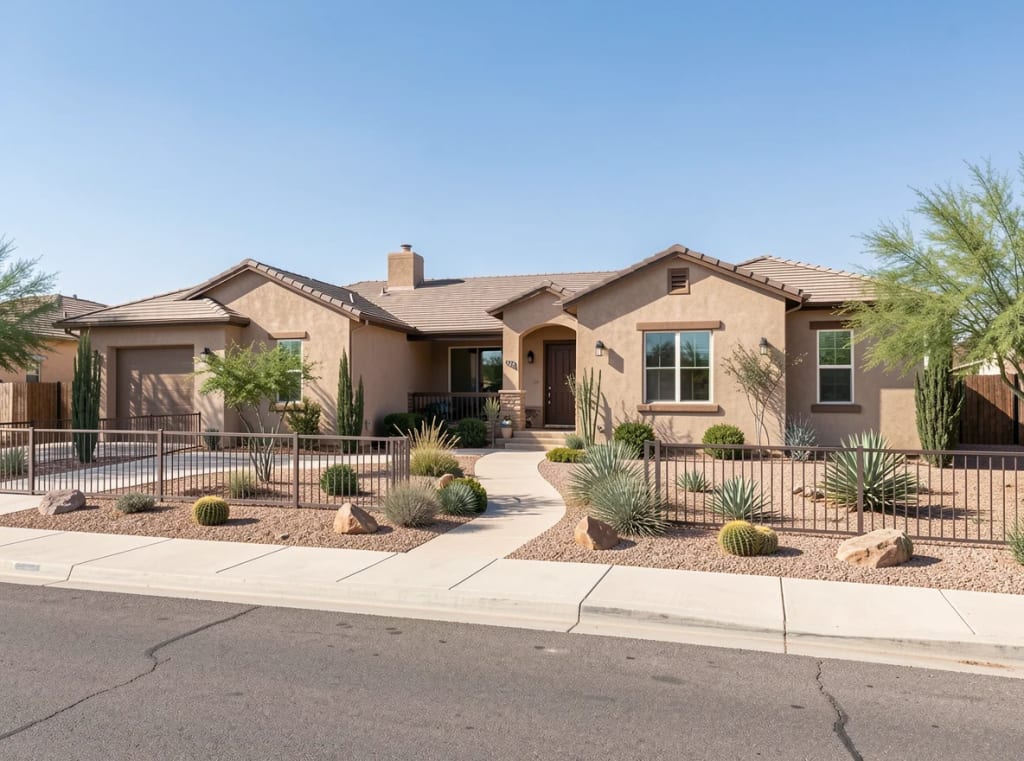
In Pecos, the home style you choose—mid-century ranch, Southwest-influenced stucco, or an older cottage—often comes with very different "under the hood" realities: roof type (metal vs. shingles), cooling setup (evaporative cooler vs. central HVAC), and exterior materials (brick, stucco, CMU). But there's another layer many relocators and first-time buyers miss: buying a house in Texas is not the same as buying land.
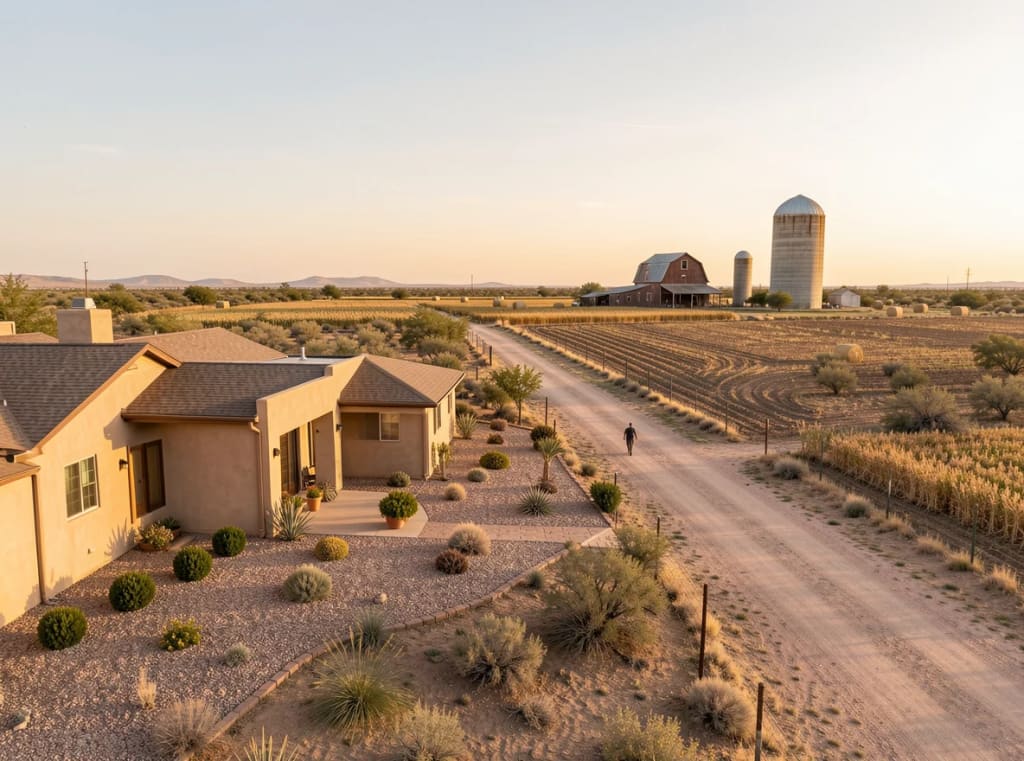
Residential contracts typically revolve around condition, inspections, and repair negotiations—especially important here where sun, dust, and wind can expose issues like aging roof units, visible condensers, or stucco cracking. Land deals, on the other hand, lean heavily on boundaries, access, utilities, and what you can actually build or place on the property. Understanding that split helps you compare options realistically—whether you're choosing a low-roofline ranch on a paved street or considering open acreage outside town.
When you're comparing Pecos home styles—mid-century ranch houses, Southwest-influenced stucco homes, or older cottages—it helps to know whether you're in a residential transaction or a land transaction, because the contracts, inspections, and "what you're really buying" can differ. In Texas, a residential purchase typically involves a dwelling intended for living (often a single-family home). In Pecos, that might be a single-story ranch with an attached garage, a tan stucco home with deep eaves, or a compact cottage with a small front porch—each with systems to evaluate like HVAC/evaporative cooling, roof type (asphalt shingle vs. metal), and visible exterior equipment.
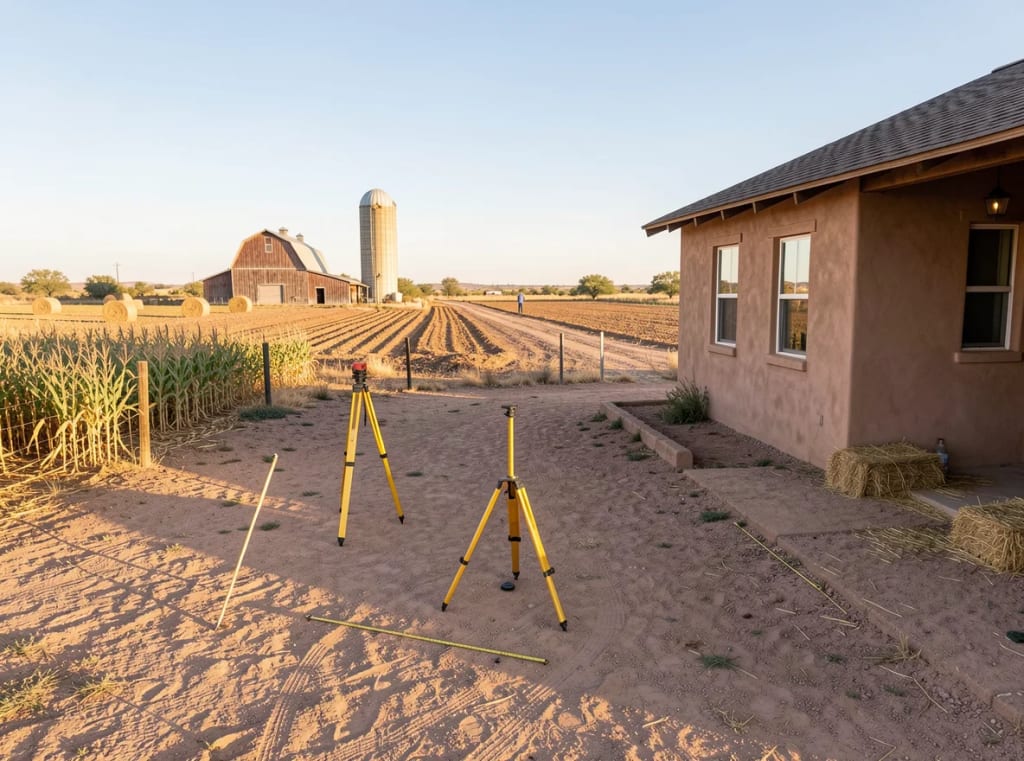
A land transaction is generally the purchase of unimproved or lightly improved real property—for example, a vacant lot on the edge of town with caliche access, a fenced parcel with a gate but no residence, or acreage with utilities nearby but not connected. Here, your due diligence often shifts toward access and boundaries, utility availability, drainage through arroyos, and any restrictions that affect what you can build. If your goal is a specific Pecos look—say, a stucco Southwest exterior or a ranch-style footprint—knowing whether you're buying an existing structure or starting from raw land helps you plan costs, timelines, and maintenance from day one.
In Pecos, choosing between a ranch-style house, a stucco Southwest home, or an older cottage is only half the decision—the due diligence changes a lot depending on whether you're buying a residence or raw land. For homes, financing is usually more straightforward, but inspections matter: pay close attention to roof type (metal vs. shingles), stucco cracking, visible HVAC condensers or evaporative coolers, and signs of shifting around slab foundations in our dry, windy conditions.
Land purchases can be trickier to finance and often require more upfront verification. A survey is key, and you'll want to confirm legal access, utilities (water, power, septic feasibility), and any restrictions that could affect what you can build—especially if you're aiming for a specific Pecos look and low-maintenance materials. If you're weighing both paths, I can help you compare the real-world steps before you commit.
In Pecos, buyers often assume a home's style (ranch, Southwest stucco, or cottage) automatically tells you what you can do with the property. In reality, zoning and deed restrictions drive most "can I add this?" questions. For example, a mid-century ranch with a carport might look like an easy conversion to enclosed garage or extra room, but you'll want to confirm setbacks, parking requirements, and whether permits are needed for structural changes. Likewise, a stucco Southwest exterior doesn't guarantee lower maintenance—patching cracks and repainting can be routine in a hot, dry climate.
Utilities are another common misconception, especially for land or edge-of-town properties. Don't assume water, sewer, and high-speed internet are "right there" just because nearby homes exist. Ask what's actually on-site (meter, tap, septic, well), what's at the road, and what it costs to extend service. A practical example: a cottage on an older block may have mature shade and charm, but you'll still want to verify electrical capacity for modern HVAC and whether an evaporative cooler was used historically. Finally, resale value in Pecos is less about the label and more about condition and efficiency—roof type (metal vs. shingles), insulation, window performance, and HVAC age tend to matter across all styles.

If you're deciding between a ranch, Southwest stucco, or an older cottage in Pecos, the best next step is to match the home's materials and systems to the upkeep you're comfortable with in a hot, dry West Texas climate.
Ranch homes often mean simpler rooflines and easier exterior accessbut pay close attention to attic insulation, window condition, and visible HVAC placement. Stucco Southwest can be durable, yet you'll want to look for hairline cracking, patched areas, and how water is directed away from the foundation during monsoon bursts. Older cottages can have charm, but verify electrical updates, roof type (metal vs. shingles), and whether additions were permitted.
Before you write an offer, ask for a style-specific inspection focus (roof, cooling, drainage, and exterior finish). If you're also considering land, confirm access, utilities, and any restrictions early.
Sign in with your email address
You’re being redirected to the page with listing data.