Buying in Pecos, TX? Learn 7 cooling-smart home features that help beat desert heat and lower utility bills—plus red flags to watch for during tours so you can buy with confidence.

Buying in Pecos means thinking about comfort and monthly bills from day one. In a hot, very dry West Texas climate, the "right" home isn't just about square footage—it's about how the house handles heat: efficient cooling, tight insulation, smart shade, and roofing that won't bake the attic all summer.
In this guide, you'll learn seven practical features that can make a noticeable difference in Pecos—plus the red flags that can turn a showing into a future repair bill (like aging HVAC units, poorly sealed windows, or sun-exposed west-facing glass with no shade). Crisha Molinar of Golden Door Realty LLC brings local, on-the-ground insight to help you compare homes realistically, ask the right questions during tours, and prioritize upgrades that matter most here.
When you're ready, browse what's available in Pecos and start spotting these heat-smart details in real listings.
Before you compare HVAC types or roof colors, get your buying "baseline" set—because in Pecos, cooling costs can change what you can comfortably afford month to month. Start by reviewing your budget with summer utility bills in mind (ask your lender to run numbers with a realistic electric bill, not a best-case estimate). If you're a first-time buyer, build a small cushion for immediate upgrades like weatherstripping, window screens, or a smart thermostat—low-cost items that can make a noticeable difference in a hot, dry climate.
Next, get pre-approved and ask your lender how different home features may affect insurance and financing. A newer roof, good attic insulation, and efficient central air can reduce "surprise" expenses after closing, while older roof units, undersized HVAC, or single-pane windows may signal higher ongoing costs. Finally, learn the local inventory: Pecos has a mix of mid-century ranch homes, stucco Southwest-style houses, and practical builder homes—each with different heat-management strengths. As you start your search, prioritize listings that clearly note central air, insulation updates, shaded outdoor areas, and roof condition so your tours focus on homes that can handle West Texas summers.
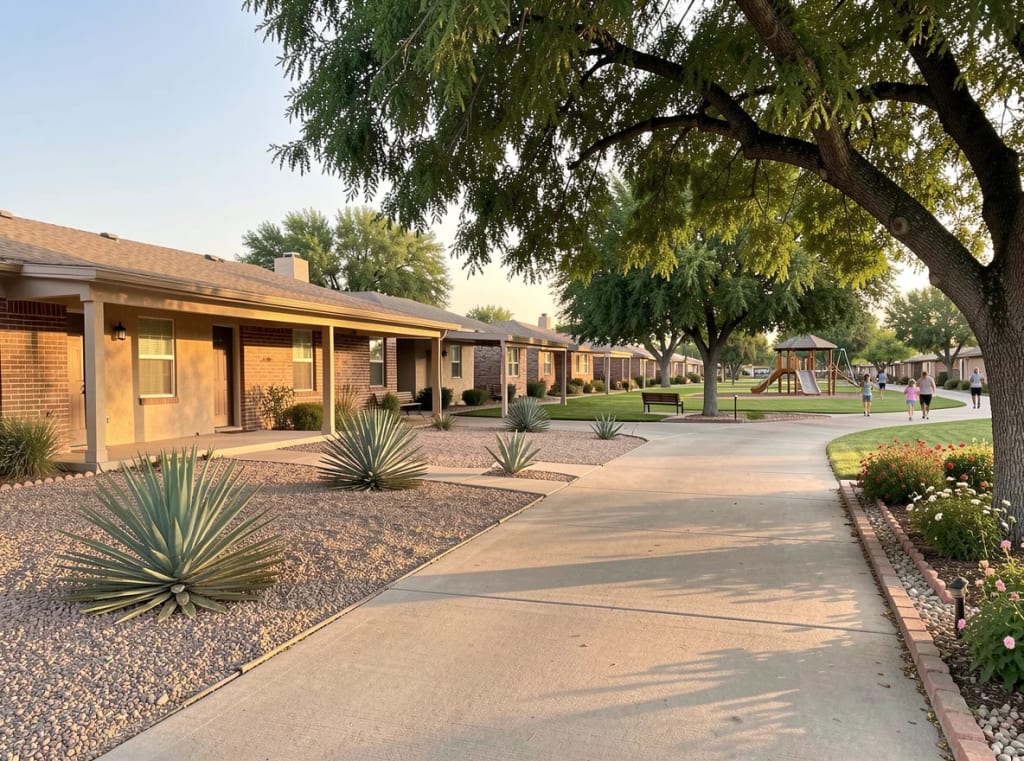
When you start touring homes in Pecos, it helps to think in micro-climates: lots with afternoon sun exposure, gravel vs. irrigated landscaping, and whether the home sits open to wind and dust. As you compare areas around town, look for practical shade and envelope upgrades that matter in a hot, dry climate—deep eaves, covered porches, exterior awnings, and newer windows with tight seals.
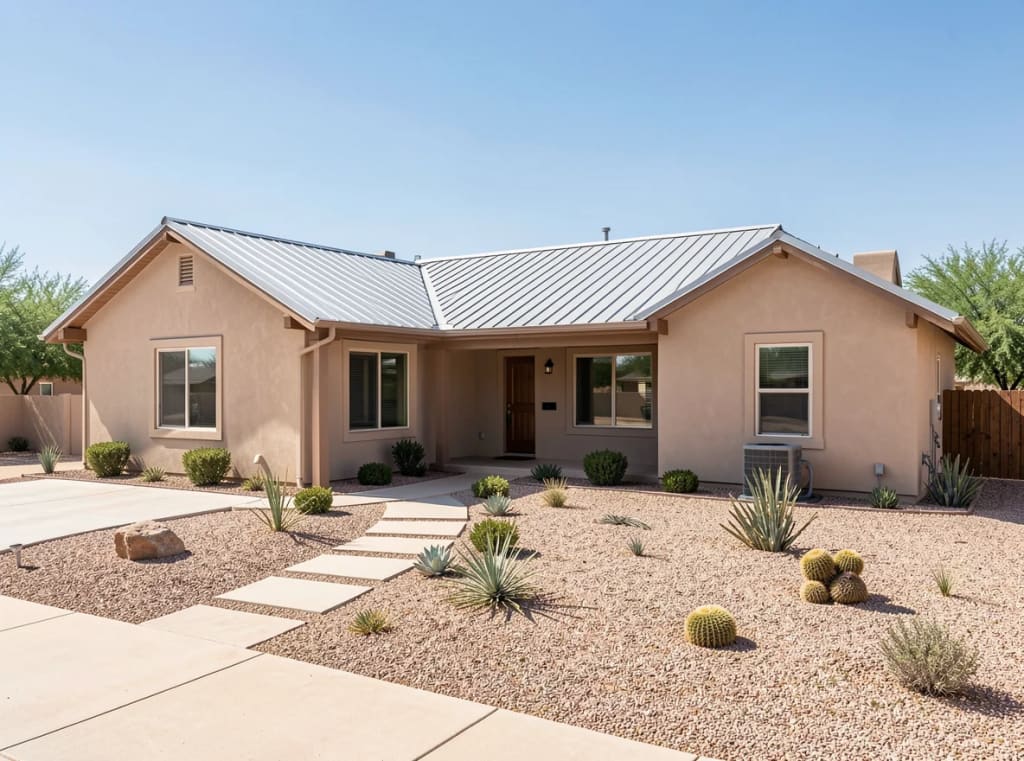
Inside, focus on the systems that lower bills. Ask what type of cooling is installed (central air vs. older evaporative setups), the age of the HVAC, and whether the ductwork is insulated and sealed. During showings, check for hot spots near west-facing rooms, listen for noisy air handlers, and look for attic access so you can confirm insulation depth. Also note roof material and condition—metal roofs and well-ventilated attics can be a big plus in Reeves County heat.
Crisha Molinar can help you compare neighborhoods and spot red flags quickly so you spend time touring the homes that truly fit your budget and comfort goals.
Once you find a Pecos home with the right cooling setup, your offer should reflect what you can verify—not just what you're told. Ask for key details in writing: the age and type of HVAC (central air vs. evaporative cooler), recent service records, and whether the attic has adequate insulation and ventilation. In a hot, dry West Texas climate, these items can materially affect comfort and monthly bills, so it's reasonable to negotiate based on condition and remaining life. If the roof is older or shows patchwork repairs, consider requesting a roof inspection or a credit for replacement planning.
During inspections, pay extra attention to heat-related red flags common in desert towns: undersized HVAC for square footage, leaky ductwork, missing weatherstripping, single-pane windows, and minimal shade on west-facing walls. Also look for signs of dust intrusion around doors and windows—wind events can make small gaps feel like big problems. At closing, confirm any agreed repairs or credits are documented, and keep manuals/warranties for HVAC and roofing so you can maintain efficiency from day one.
If you're ready to move from reading to touring, treat every showing in Pecos like a quick "heat audit." Start outside: look for roof condition (light-colored or reflective surfaces help), deep eaves, and shade from porches, awnings, or well-placed trees. In this desert climate, those details can reduce how hard the HVAC has to work.
Inside, ask about insulation (attic depth and whether walls were upgraded), window performance (double-pane, low-E), and air sealing around doors and vents. Then check the cooling system itself: age of the condenser, filter access, and whether the home cools evenly room-to-room. Red flags in Pecos include sun-baked roofs nearing end-of-life, older single-pane windows, and rooms that never quite cool down.
Want a second set of eyes? Crisha Molinar can help you prioritize the features that matter most for comfort and monthly bills—before you write an offer.
Sign in with your email address
You’re being redirected to the page with listing data.